
Homeowners insurance is a critical component for real estate professionals to manage risks and protect client investments. It offers financial protection against natural disasters, theft, and damage, with policies tailored to location, property type, and value. Key policy components include physical damage, personal belongings, liability, and additional living expenses coverage. Professionals should educate clients on these aspects, conduct thorough risk assessments, and guide borrowers through the claims process, ensuring compliance with lender standards for a stable investment portfolio.
In today’s dynamic real estate market, understanding homeowners insurance is not just a consideration—it’s a strategic imperative for professionals navigating complex transactions. Homeowners insurance serves as a crucial shield against unforeseen risks, offering both financial protection and peace of mind for clients. However, deciphering the intricacies of policies can be a formidable challenge, leaving many professionals and their customers vulnerable. This article provides an actionable, authoritative overview, demystifying homeowners insurance to empower real estate experts in guiding their clients towards informed decisions and securing their investments.
Understanding Homeowners Insurance: Basics for Professionals

Homeowners insurance is a cornerstone of responsible property management for real estate professionals. It provides financial protection against unforeseen events like natural disasters, theft, or damage to the property and its contents. Understanding this crucial aspect of homeownership is essential for professionals who aim to offer comprehensive advice to clients or manage investment properties effectively.
For instance, consider a scenario where a borrower invests in a coastal property, a beautiful beachfront home with lucrative rental potential. While the location offers immense appeal, it also exposes the property to heightened risks of hurricanes and storm surges. A knowledgeable real estate professional would emphasize the importance of homeowners insurance tailored to these specific perils, ensuring the borrower meets lender requirements for adequate coverage. This includes understanding the ins and outs of policy exclusions, deductibles, and potential gaps in coverage that could leave the borrower vulnerable.
Homeowners insurance borrower requirements vary based on location, property type, and value. According to industry reports, nearly 70% of U.S. homeowners have some form of coverage, yet many fall short of meeting minimum standards set by lenders. Professionals should be adept at navigating these complexities, guiding borrowers through the process of obtaining suitable policies that align with their financial interests and property needs. This involves staying informed about local insurance regulations and trends, fostering relationships with reputable insurers, and offering personalized advice based on individual circumstances. By integrating homeowners insurance as a core component of their services, real estate professionals can enhance client trust, mitigate risks, and contribute to the long-term stability of their investment portfolios.
Why Real Estate Pros Need Comprehensive Coverage

For real estate professionals, navigating the complex world of property transactions requires a keen understanding of various risks and potential liabilities. Homeowners insurance stands out as an indispensable component in this landscape, offering comprehensive protection that goes beyond typical borrower requirements. This coverage is crucial for several reasons, especially when dealing with the unique challenges presented by the dynamic real estate market.
Consider the extensive responsibilities that come with facilitating property sales or rentals. Real estate pros are often involved in managing properties, handling tenant disputes, and ensuring compliance with local regulations. Moreover, they bear the risk of unforeseen events like natural disasters or property damage that could impact their clients’ investments. Homeowners insurance borrower requirements typically include protection against such perils, safeguarding both the real estate professional’s assets and those of their clients. For instance, a fire resulting from faulty wiring not only damages the property but also leads to potential legal liabilities for the agent who failed to identify the hazard. Comprehensive homeowners insurance can cover these unforeseen circumstances, providing financial security and peace of mind.
A study by the National Association of Real Estate Agents (NAR) revealed that over 70% of real estate professionals recognize the value of adequate insurance coverage. This statistic underscores the growing awareness among industry experts about the necessity of homeowners insurance beyond meeting basic borrower requirements. By investing in comprehensive policies, real estate pros can mitigate risks associated with their operations, including professional liability claims and property damage lawsuits. Such proactive measures not only safeguard their personal assets but also instill confidence in clients, demonstrating a commitment to protecting their interests.
Key Components: What's Included in Your Policy

Homeowners insurance is a cornerstone of responsible property ownership, offering protection against unforeseen events that could leave you financially vulnerable. For real estate professionals, understanding the key components of these policies is vital to guiding clients towards suitable coverage and mitigating potential risks. When assisting borrowers with their insurance needs, it’s crucial to demystify policy language and ensure they are shielded from significant financial losses.
A comprehensive homeowners insurance policy typically encompasses several essential elements. First and foremost, it provides protection against physical damage to the structure of the home, including the building itself and fixed fixtures. This covers events like fires, storms, or accidental damage. Additionally, policies often include coverage for personal belongings, such as furniture, clothing, and electronics, protecting them in case of theft, damage, or destruction. Another critical aspect is liability protection, which shields homeowners from claims of bodily injury or property damage to others on their premises. This component is especially relevant for real estate professionals advising borrowers on insuring investment properties, as it can protect against potential lawsuits.
Furthermore, many policies offer optional coverage for additional living expenses if the insured becomes temporarily uninhabitable due to a covered event. This ensures homeowners can continue meeting financial obligations while repairs are underway. Real estate experts should educate clients about these various components and tailor policy recommendations based on individual needs. For instance, borrowers with valuable collections or expensive artwork may require specific endorsements for those items, ensuring adequate protection against theft or damage. By thoroughly understanding the homeowners insurance borrower requirements and available coverage options, professionals can offer guidance that aligns with their clients’ unique circumstances, fostering trust and promoting peace of mind.
Risk Assessment: Identifying Potential Hazards at Home
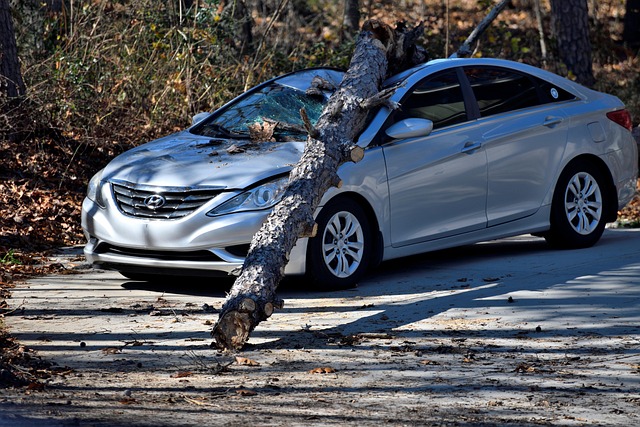
Risk assessment is a critical component of homeowners insurance, especially for real estate professionals who manage diverse properties. Identifying potential hazards within a home goes beyond a surface-level inspection; it demands a systematic approach that considers structural integrity, environmental factors, and evolving risks. For instance, an older home might require more attention to its electrical system, which is a common point of failure and a significant concern for homeowners insurance providers. According to recent data, electrical fires account for a substantial portion of residential losses, emphasizing the need for proactive hazard identification.
Real estate professionals should conduct thorough assessments, documenting findings that could impact homeowner insurance policies. This includes evaluating the home’s age, construction materials, and any renovation history. For example, a property with a metal roof may be more resilient to weather damage but could have specific insurance implications related to its installation and maintenance. Additionally, checking for potential risks like water damage from plumbing issues or faulty appliances is essential. Homeowners insurance borrowers should be particularly vigilant about these details as they can affect coverage limits and premiums.
A practical approach involves creating a detailed inventory of the home’s features, including any security systems, fire protection mechanisms, and energy-efficient upgrades. These elements not only contribute to risk mitigation but also demonstrate responsible property management, which can lead to more favorable homeowners insurance terms. By proactively addressing these hazards, real estate professionals can ensure their clients’ investments are protected, fostering a sense of security and peace of mind.
Claims Process Demystified: Navigating Homeowners Insurance

Homeowners insurance is a cornerstone of responsible property ownership, offering protection against unforeseen events. The claims process, often shrouded in complexity, is a critical aspect that demands understanding. As a real estate professional, demystifying this process can enhance your ability to guide clients and ensure smooth transitions during what can be a stressful time.
When a claim occurs, it’s essential to know the steps involved. Initial notification is crucial; most policies require immediate contact with the insurance provider upon loss or damage discovery. Homeowners should file a report online or by phone, providing detailed information about the incident. Following this, adjusters will be dispatched to assess the damage first-hand. This step is vital as it forms the basis for all subsequent actions and negotiations. During the inspection, homeowners should actively participate, documenting evidence of loss with photos and videos—a practice that has proven invaluable in expediting settlements.
The assessment phase can vary based on policy terms and the nature of the claim. For minor incidents like burst pipes or weather damage, settlement might be relatively swift as these typically fall under standard coverage. However, for larger claims, including structural damage or theft, the process may take longer. Homeowners should remain patient during this period, providing all necessary documentation to support their claim. This includes repair estimates and, in some cases, police reports for burglary claims. Understanding borrowers’ insurance requirements is also paramount; many mortgages mandate specific coverage levels and policy types, ensuring adequate protection for the property and its associated investments.
Expertise in guiding clients through these processes can set real estate professionals apart. Encouraging proactive communication with insurers and equipping clients with knowledge about their policies empowers them to navigate claims effectively. In a market where every detail matters, this specialized insight can significantly impact client satisfaction and retention.