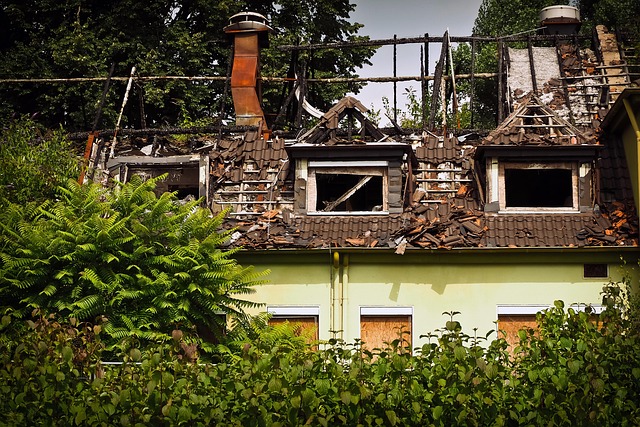
Real estate professionals guide clients on homeowners insurance, crucial for protecting property investments. Policies cover structures, belongings, liability, with variations based on needs. Mandatory for 80%+ U.S. mortgage borrowers, professionals advise policy types and ensure compliance. Risk evaluation is key, assessing hazards like natural disasters or fire to supplement base coverage. Understanding the claims process empowers clients to protect assets post-loss through proper documentation and cooperation.
In the dynamic real estate market, understanding homeowners insurance is not just beneficial but crucial for professionals navigating complex property transactions. This comprehensive guide aims to demystify homeowners insurance, offering an actionable overview tailored for real estate experts. With a focus on practical insights, we’ll explore various policy aspects, potential pitfalls, and how to optimize coverage to protect investments. By the end, you’ll be equipped with the knowledge to make informed decisions, ensuring both peace of mind and financial security for your clients.
Understanding Homeowners Insurance: Basics for Professionals

For real estate professionals, understanding homeowners insurance is crucial to guiding clients effectively. Homeowners insurance, a cornerstone of homeownership, protects individuals from financial loss due to property damage or liability claims. It’s more than just a policy; it’s a safety net that ensures peace of mind for homeowners and provides security for investments in real estate.
At its core, homeowners insurance covers structures on the property, personal belongings, and liability for accidents occurring on the premises. The specific coverage varies by policy, but common elements include protection against fire, theft, vandalism, and natural disasters like floods or earthquakes. For instance, a standard policy might cover structural damages up to 90% of the home’s value, with additional protections for personal belongings and legal expenses arising from accidents.
One critical aspect professionals should emphasize is the importance of understanding borrower requirements. Lenders often mandate specific levels of homeowners insurance coverage to protect their investments. According to industry data, over 80% of mortgage borrowers in the U.S. are required to maintain adequate insurance as a condition of their loan. This means real estate agents and brokers must advise clients on obtaining policies that meet or exceed these minimums. Homeowners insurance borrower requirements typically include coverage for the actual structure, personal property up to a certain limit, and liability protection.
To offer valuable guidance, professionals should educate clients about the different policy types available. These include basic, broad, and comprehensive coverage. Comprehensive plans offer the most extensive protection, covering not just the home but also additional living expenses if the home becomes uninhabitable due to a covered event. By tailoring insurance options to individual client needs and ensuring compliance with borrower requirements, real estate professionals can play a pivotal role in protecting their clients’ investments and safeguarding their financial futures.
Key Coverages and Exclusions: What Every Policy Includes

Homeowners insurance is a cornerstone of responsible property ownership, offering essential protection against unforeseen events. At its core, a comprehensive policy packages various coverages designed to safeguard both the structure and belongings within. Understanding these key components is paramount for real estate professionals, as it enables informed decision-making when advising clients on their borrowing needs.
The policy’s first line of defense, homeowners insurance typically includes coverage for the dwelling itself. This protection extends to permanent structures attached to the property, such as garages or decks. It also commonly covers other structures on the land, like sheds or fences. Beyond structural safeguards, policies often embrace personal belongings, providing compensation for their replacement if damaged, stolen, or destroyed by events like fire, theft, or natural disasters.
However, not all hazards are covered. Homeowners insurance policies typically exclude certain perils, such as damage caused by floods, earthquakes, or war. These exclusions underscore the importance of supplementing base homeowners insurance borrower requirements with additional coverage for specific risks. For instance, flooding can be addressed through a separate flood insurance policy, while earthquake coverage may be available through specialized providers. By understanding these nuances and tailoring policies to meet individual needs, real estate professionals empower clients to make informed choices that safeguard their investments.
Evaluating Risks: Assessing Your Property's Vulnerability

Evaluating risks is a cornerstone of responsible real estate practice, and it’s here that homeowners insurance plays a pivotal role. As a professional, understanding your property’s vulnerabilities isn’t just about meeting borrower requirements for homeowners insurance—it’s about ensuring the financial protection of your investment and the peace of mind of your clients. This involves a meticulous assessment of potential hazards, from natural disasters like floods and earthquakes to more common risks such as fire, theft, or vandalism.
Consider a property in a coastal area; its risk profile will significantly differ from an urban high-rise. Data from leading insurers shows that coastal properties face higher rates of damage from hurricanes and storms, necessitating comprehensive homeowners insurance coverage. Similarly, rural homes may be more susceptible to wildlife interactions or land accidents, requiring specific endorsements for these risks. By thoroughly evaluating these factors, you can help borrowers secure the right level of protection—a crucial aspect of responsible lending.
Actionable steps include reviewing historical data on claims in your area, consulting with local insurance experts, and staying informed about emerging risks. Implementing risk assessment tools and regularly updating policy limits ensures that homeowners insurance remains tailored to the unique needs of each property and its occupants. This proactive approach not only protects against financial losses but also demonstrates to borrowers the depth of your expertise in navigating the complexities of homeownership.
Claiming and Navigating: Protecting Your Investment Post-Loss

Navigating the claim process is a critical aspect of protecting your investment after a loss occurs. Homeowners insurance is designed to offer peace of mind, ensuring that policyholders are supported financially when unexpected events strike their properties. As a real estate professional, understanding how to make claims and navigate post-loss scenarios under homeowners insurance is paramount for client satisfaction and the preservation of assets.
When a covered event happens—such as damage from storms, fires, or accidents—homeowners should be prepared to take immediate steps. The first course of action is to contact their insurance provider to report the loss. This initial interaction sets the tone for the entire claims process. Policyholders should provide detailed information about the incident, including dates and times, the extent of damage, and any relevant details that might impact coverage. A prompt response from the insured and insurance company can expedite the claims handling process significantly.
During the claim investigation, policyholders should anticipate interactions with adjusters who will assess the damage and determine coverage eligibility. Homeowners insurance borrower requirements vary across regions and insurers, but typically involve providing proof of ownership and residency. It’s essential to cooperate fully during this phase, offering all necessary documentation to support the claim. For instance, in cases of significant property damage, an estimated repair cost breakdown from licensed contractors is often required. By adhering to these procedures, policyholders can ensure their claims are processed efficiently, leading to faster resolutions and the restoration of their properties to pre-loss conditions.