
Homeowners insurance is crucial for protecting your investment against unforeseen risks. It covers structural damage, personal belongings, and liability. Key features include water damage protection and optional add-ons for specific risks like floods or earthquakes. Exclusions vary, so understanding policy terms is essential. Regularly review policies and consider riders for high-value items or local risks. The claims process involves reporting, investigation, assessment, and repair/settlement based on policy terms.
In today’s complex financial landscape, understanding homeowners insurance is more crucial than ever for consumers looking to protect their most valuable assets. As the average home value continues to rise, so does the need for comprehensive coverage that can safeguard against unforeseen circumstances such as natural disasters, theft, and property damage. However, navigating the intricacies of various policies and exclusions can be a daunting task for many homeowners. This authoritative report aims to demystify homeowners insurance, providing an in-depth breakdown that equips consumers with the knowledge to make informed decisions and select the best coverage for their needs. By the end, readers will naturally grasp the importance of this essential protection.
Understanding Your Home's Coverage Needs

Understanding your home’s coverage needs is a crucial aspect of responsible homeownership. Homeowners insurance isn’t just about protecting your structure; it’s a safety net that accounts for unforeseen circumstances, including damage from natural disasters, theft, or accidental incidents. The right homeowners insurance policy ensures that you’re not left burdened with exorbitant repair costs or legal liabilities.
To determine the suitable coverage for your property, start by evaluating its unique characteristics. Consider factors like location—are you in an area prone to floods or earthquakes? The age and condition of your home also matter; older structures may require specialized coverage for wear and tear. Valued at around $400,000 on average, U.S. homes come with diverse needs. For instance, homeowners in fire-prone regions might need higher liability limits to protect against potential lawsuits following a fire. Borrowers often find it beneficial to review their homeowners insurance borrower requirements as part of their financial planning, ensuring they meet mortgage lenders’ minimum standards while also securing adequate protection for their investment.
Your personal belongings and responsibility towards others within your home are other key considerations. Homeowners insurance policies typically cover personal possessions up to a certain limit, providing reimbursement for items like furniture, appliances, and clothing in case of theft or damage. Additionally, liability coverage shields you from claims arising from accidents that occur on your property, protecting you from potential financial strain if someone suffers an injury. By understanding these needs, homeowners can tailor their policies accordingly, ensuring they’re adequately insured against both expected and unexpected risks.
Navigating Policy Types and Features
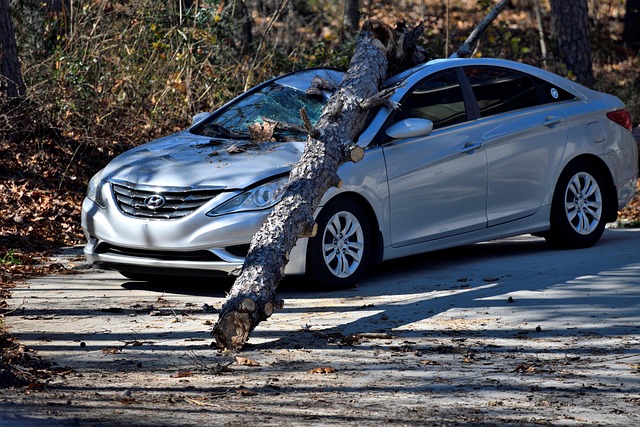
Homeowners insurance is a complex landscape that can leave many consumers feeling bewildered. Understanding the various policy types and features is crucial for making informed decisions about protecting your investment. This section delves into the intricacies of homeowners insurance, offering a comprehensive guide to help navigate this often-misunderstood realm.
The first step in navigating homeowners insurance is recognizing that policies are not one-size-fits-all. They can be tailored to specific needs and circumstances, including the type of property, location, and individual risk factors. For instance, a borrower insuring a single-family home in a low-risk area will have different coverage requirements than someone with a condominium in a hurricane-prone region. Homeowners insurance borrowers should work closely with agents to assess their unique needs, ensuring adequate protection without unnecessary excesses.
Key features within policies include structural coverage for the physical dwelling, personal property protection for belongings, and liability coverage for accidents on your property. Some policies also offer optional add-ons like flood or earthquake coverage, which can be crucial in high-risk zones. For example, data from the National Association of Insurance Commissioners (NAIC) indicates that over 50% of U.S. homeowners insurance claims are due to water damage, underlining the importance of comprehensive personal property protection. Borrowers should carefully review policy language and limits to ensure they align with their assets’ value and potential risks.
A strategic approach involves comparing different policies and carriers, considering not only premium costs but also the level of coverage and service provided. Homeowners insurance borrower requirements vary based on location, property type, and individual needs. By understanding these nuances, consumers can make informed choices, ensuring they have the right protection in place should the unexpected occur.
What Does Homeowners Insurance Include?

Homeowners insurance is a cornerstone of financial protection for any property owner. It offers peace of mind by shielding against unforeseen events that could result in substantial financial losses. This comprehensive coverage encompasses various risks associated with homeownership, including damage to or loss of one’s residence, liability for injuries sustained on the property, and even lost personal belongings.
A standard homeowners insurance policy typically includes coverage for the structural elements of a home, such as the building itself, along with fixtures like roofs, doors, and windows. It also protects against perils like fire, lightning, storms, floods (in certain cases), and vandalism. For instance, if a storm causes significant roof damage or a burst pipe leads to water damage, homeowners insurance would step in to cover the repairs or rebuilding costs. Additionally, it provides liability coverage, which can protect against financial consequences arising from accidents or incidents on the insured property that result in injuries or property damage to others.
One crucial aspect of homeowners insurance is the personal belongings coverage. This component compensates owners for the replacement or repair of their possessions if they are damaged or stolen. It includes items like furniture, clothing, electronics, and appliances. For example, if a burglar breaks into your home and steals valuable items, this coverage would help replace them. Homeowners insurance borrower requirements often include maintaining an inventory of personal belongings to facilitate such claims. Several insurance companies now offer digital tools for easy property tracking and claim submission, reflecting the evolving digital landscape.
While homeowners insurance is essential, understanding what it does and doesn’t cover is vital. Exclusions vary across policies, so careful review is necessary. Some common exclusions include damage caused by natural disasters like earthquakes or specific types of water damage not stemming from a burst pipe. Therefore, prospective homeowners should thoroughly read and understand their policy, considering additional coverage for high-value items or specific risks relevant to their location.
Exclusions: What's Not Covered
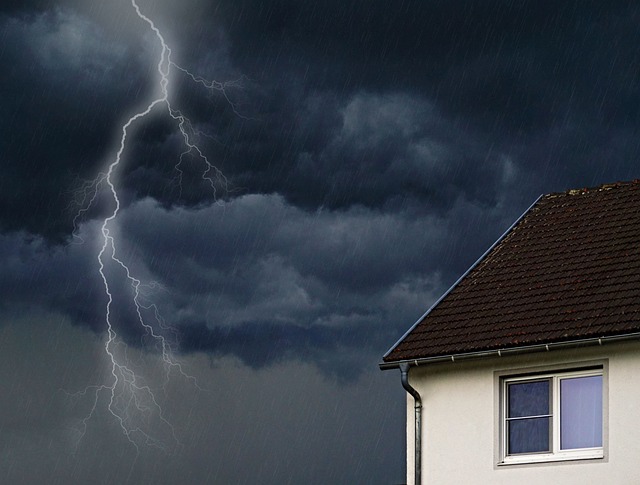
Homeowners insurance is designed to protect your most valuable asset—your home. However, it’s crucial to understand what’s not covered under these policies. Exclusions are specific events or damages that are not included in standard homeowners insurance policies. These can range from natural disasters like floods and earthquakes to more everyday occurrences such as wear and tear or mismanaged maintenance. For instance, many policies exclude coverage for structural damage caused by inadequate drainage, which is often a result of poor home upkeep rather than an unforeseen event.
When reviewing your homeowners insurance policy, pay close attention to the borrower requirements and exclusions listed. These details are critical in ensuring you have adequate protection for your property. Borrowers often assume that their policies cover everything, but this isn’t always the case. For example, personal belongings damaged by a broken pipe might be covered under certain circumstances, but only if you’ve installed a water shut-off valve to prevent such damage. Without it, the insurance company may not honor the claim. It’s essential to understand these nuances to make informed decisions about your coverage.
Homeowners should also be aware of what’s excluded when considering additional riders or upgrades to their policies. Some policies might offer optional coverages for specific risks, but these typically come at an additional cost. For instance, while standard policies often exclude coverage for valuable items like jewelry and art, you can purchase a rider to protect these items from theft or damage. Understanding these exclusions empowers borrowers to make strategic choices that align with their specific needs and risk profiles. Regularly reviewing your policy and keeping up-to-date with changes in your home and neighborhood is a proactive step towards effective risk management.
Claims Process: Your Step-by-Step Guide

The claims process is a critical aspect of homeowners insurance, serving as the bridge between policyholders and their financial security after a covered loss. This step-by-step guide illuminates the journey, empowering consumers to navigate this often complex procedure with confidence. It begins when a policyholder reports a claim, typically by contacting their insurance provider directly or through an online portal. Once initiated, the insurer assigns a claims adjuster who will investigate and assess the damage.
This assessment includes documenting the loss thoroughly, taking measurements, and estimating repair costs—a meticulous process that ensures accurate compensation. Policyholders are expected to cooperate fully, providing access to their property and any relevant documentation. The next phase involves evaluating the claim against the policy’s terms and conditions, ensuring it aligns with the homeowners insurance borrower requirements. This step is crucial as it determines eligibility for coverage and the extent of financial support.
Following approval, the insurer facilitates repairs or provides a settlement offer. Policyholders can choose repair or replacement, depending on the severity and cost-effectiveness. Settlement offers are based on estimated restoration costs or market value, whichever is lower, according to many homeowners insurance policies. This process concludes with closure, ensuring policyholders’ homes are restored or financial relief is secured, reaffirming the importance of having comprehensive homeowners insurance in place for unforeseen circumstances.